
Zach Carrell
Co-Founder, SideCoach Sports
Founder Spotlight: Zach Carrell
Building the Infrastructure Behind the Future of College Sports
When TBHF Alumni Zach Carrell first started Greenhorn Fishing, he was pursuing a passion for fishing. Today, he’s connected his passion and expertise in college athletics to build something even bigger: the infrastructure powering the next era of college athletics.
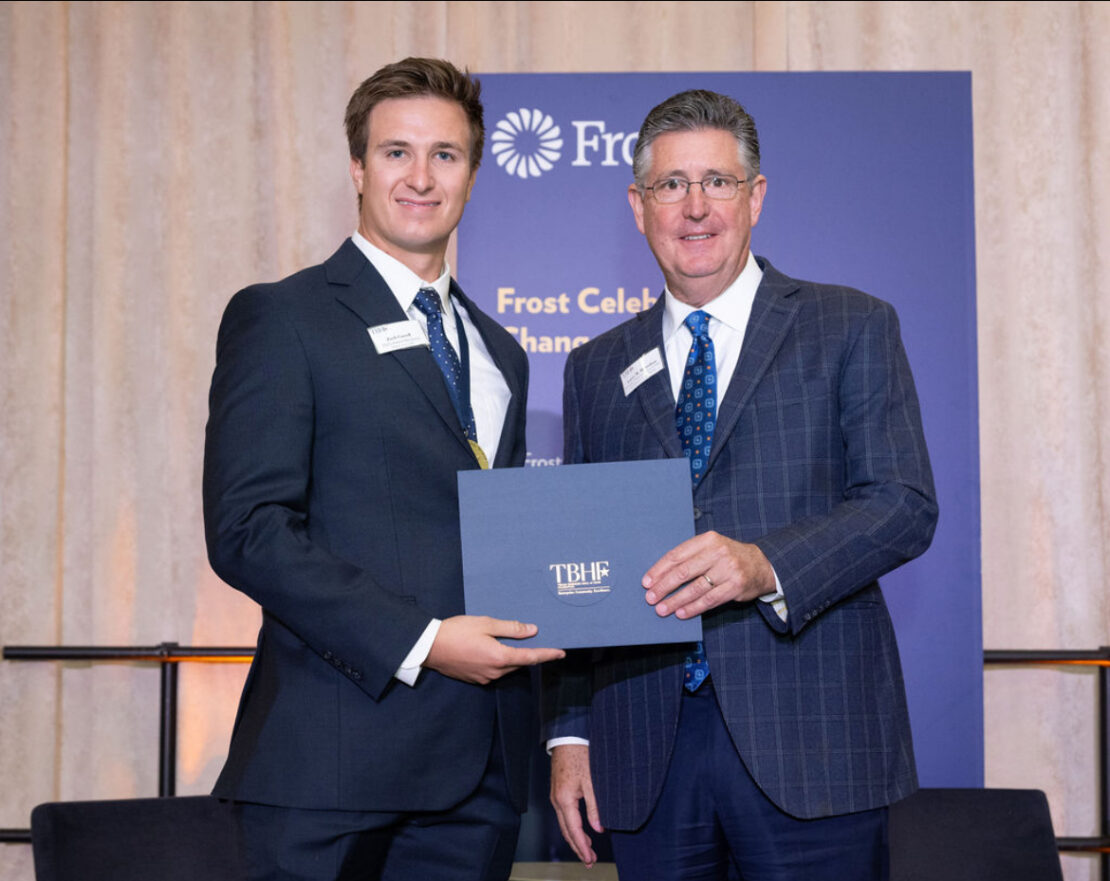
A 2023 Texas Business Hall of Fame award recipient and current Dallas Alumni City Chair, Zach is the co-founder of SideCoach Sports, a platform connecting college athletes with youth athletes for private coaching. He’s simultaneously finishing a two-year stint at Bank of America and developing a university-focused sports operations engine designed to streamline camps, clinics, and registration systems nationwide.
We caught up with Zach to talk NIL, marketplace strategy, preparing to launch a new venture, and what it really takes to build in the evolving world of college sports.
Q: Starting with Greenhorn Fishing, you’ve built businesses that align with your personal interests. How did that lead to SideCoach Sports?
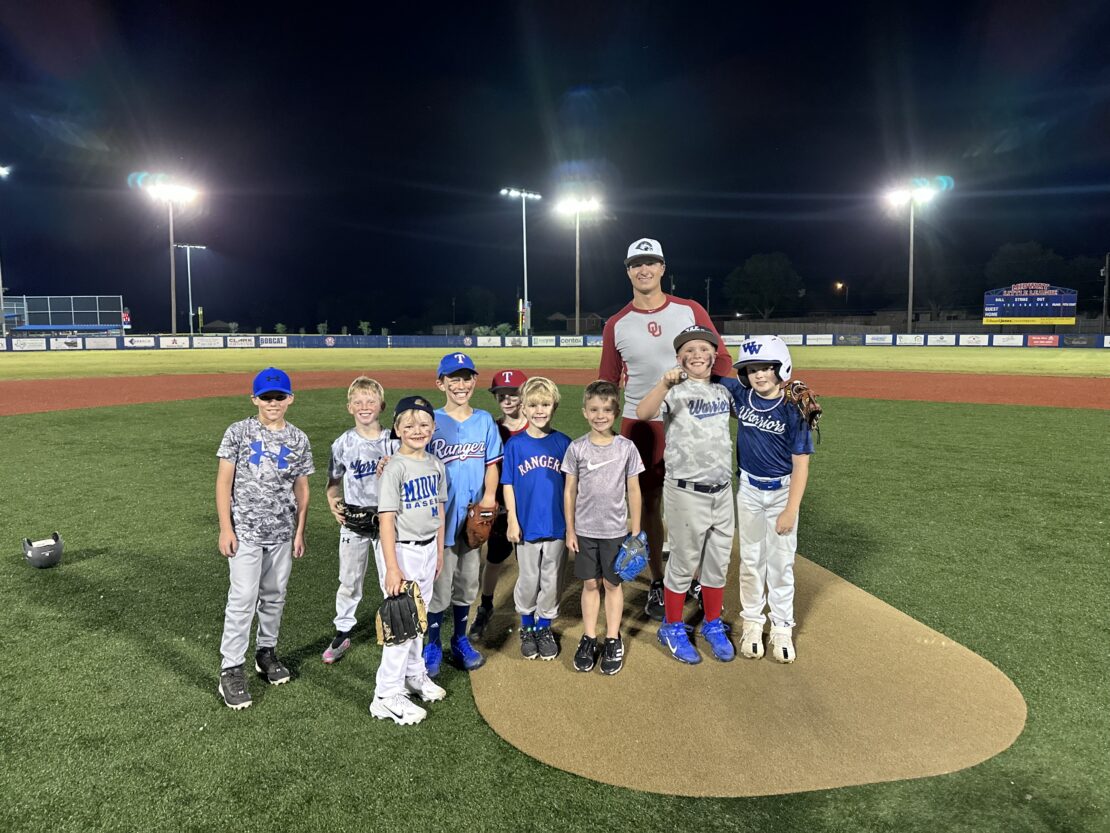
Zach: Greenhorn was my first entrepreneurial venture, and it taught me a lot about building a company from scratch. While my brother and I were playing baseball at OU, we started giving private lessons to youth athletes and quickly realized how much demand there was. College athletes often live in different cities than where they grew up, so they don’t have an automatic network of youth sports to plug into.
At the same time, NIL rules were changing. College athletes were suddenly allowed to monetize their Name, Image, and Likeness. We saw an opportunity: What if we created a structured, compliant way for college athletes to coach younger players?
That first-hand experience led us to SideCoach Sports, a platform that connects college athletes who want to give lessons with local youth athletes who want high-level training.
There are a lot of opinions about NIL. What’s the reality for most athletes?
Early on, NIL was heavily regulated. Now it’s much more deregulated. But here’s what most people miss: outside of a handful of top players, the majority of college athletes don’t have meaningful financial opportunities.
SideCoach gives them one.
Instead of relying on brand deals, athletes can monetize their actual skillset. They’re already training at a high level. Why not let them teach? It’s a win-win: youth athletes get access to elite mentorship, and college athletes build income and business experience.
In addition to SideCoach, you’re building marketplace technology for universities themselves. What problem are you solving?
Here’s what we observed: University baseball coaches run summer camps independently of the school because of NCAA staffing limitations. They use volunteer assistants and patch together third-party tools that weren’t built for their needs or their skills sets.
We’re building an all-in-one platform or “sports engine” that allows universities to:
- Host camps under their own branding
- Offer digital paywalled content (workouts, drills, routines)
- Automate scheduling and position assignments
- Ensure equal playing time for participants
- Streamline communication and registration
Right now, we’re collaborating with Ohio State to develop this new system. The goal is simple: save coaches time and remove logistical headaches.
You’re building an automated process with many applications. Tell us about that.
A lot of university camps and summer programs still manage registration and communication manually. It’s inefficient. We’re building a multi-tenant platform that universities and the coaches themselves can adopt at no cost. The revenue model is based on small fees to registrants — not as line items to coaches. That removes barriers for adoption. We’re also designing the system to enable new schools/ programs to onboard quickly and efficiently.
We plan to build one market at a time, go deep in one sport, and build trust. Our focus will be on strong engagement and satisfaction before strategic expansion.
What does the funding structure look like?
Our development costs will be largely fixed once the platform is fully developed. Marginal costs are low — mostly onboarding and server expenses. Payment processing costs will be passed to customers, and our revenue will come from a small fee paid by each registrant.
The funding for this venture came from a single investor, so we are very lucky in that regard. It’s enabled us to plan for hiring two new team members this year, bringing our full-time team to five when we launch in August. It’s an exciting time.
You recently navigated a cyber-attack. What did you learn?
It was a wake-up call. We’re upgrading servers and strengthening cybersecurity right now at SideCoach Sports while taking advantage of slower seasonal periods. When you’re building infrastructure, reliability and trust are everything. Adversity forces you to level up.
How has TBHF played a role in your journey?
Receiving the TBHF award in 2023 was huge. Since then, I have been able to engage with entrepreneurs at all levels in the TBHF network who have faced similar challenges and encouraged me to keep building. Being around that level of experience changes how you think.
This year, serving as Dallas City Chair and joining one of TBHF’s Executive Leadership Groups (high level, peer-to-peer mentoring) will add even more to the value of this experience for me. The network is filled with operators and entrepreneurs who’ve actually built things.
What’s Next?
With full-time operations beginning August 1, 2026, on their newest business, an expanding staff, university partnerships in development, and an evolving NIL landscape, Zach Carrell is just getting started. He and his team can’t wait to show you what else they have in store.